

Some learners might think, “How will I handle my school project?” One quick answer is to do my paper. Yet, even before writing anything, they should understand why fake reports matter.
Many stories online are made up, and young minds often trust them. That is where media literacy education comes in. It teaches ways to tell if a story is real or not.
Fake news examples appear everywhere, from social media posts to made-up celebrity rumors. It is getting harder to separate truth from lies.

If we do not guide students, they might share false information. This can cause confusion and harm. Media education helps them question headlines or photos before they believe or pass them on.
In this blog, the discussion will center on how to help shape better media habits in schools. Educators can highlight the power of good sources and show critical thinking so students know when content is trustworthy.
Media literacy education is not just a skill; it is a must. It gives future adults a safe path in the digital world. They form balanced views and avoid spreading harmful lies. Let’s see what that involves.
Understanding Media Literacy
Media literacy education gives students the know-how to spot reliable facts across many channels. They learn to examine online sources, question images, and confirm details before trusting a report. By doing this, learners create a strong defense against rumors and lies.
In a world filled with trending stories, they need to look beyond flashy headlines and see what might be false beneath the surface.
Another vital part of education is recognizing bias. Writers often present stories from one angle, which can hide key facts. If students spot that, they can dig deeper and form their own opinions. They become active thinkers, not just watchers who accept everything.
Parents and teachers can guide students by suggesting trusted sources like libraries or real news outlets. These tips help them learn what is real instead of trusting every meme or viral post. When they verify facts, students get a sense of truth. Understanding media literacy helps them stay alert and cautious online.
This skill remains useful beyond the classroom. It shapes their future interactions with social media, news articles, and even everyday chats with friends. They grow into critical readers who question information.
Why Knowing What’s Fake Matters?
Many young people use social media daily without thinking about hidden traps. One major danger is misinformation, which can mislead them or shape their opinions unfairly. If students do not learn the importance of proof, they might end up believing anything that looks real.
This is why strong critical thinking skills for students make a difference. They need to ask, “Is this true?” or “Did someone make this up?”
When learners fail to check facts, they could become targets for scams or spread unconfirmed stories. In group discussions, these rumors might create panic or harm someone’s reputation.
Once false claims go viral, it becomes tough to reverse the damage. By spotting lies early, students save themselves and others from big problems.
Teachers can show them how to read beyond the headline and look for backup evidence. They can teach simple steps, like checking the date, the source, or writer credentials.
These small efforts can prevent major mistakes. Knowing what is fake also nurtures a sense of responsibility. It pushes students to use their freedom of speech wisely. They learn to respect facts and see that every post carries weight.
What Are the Effects of Fake News to Students?
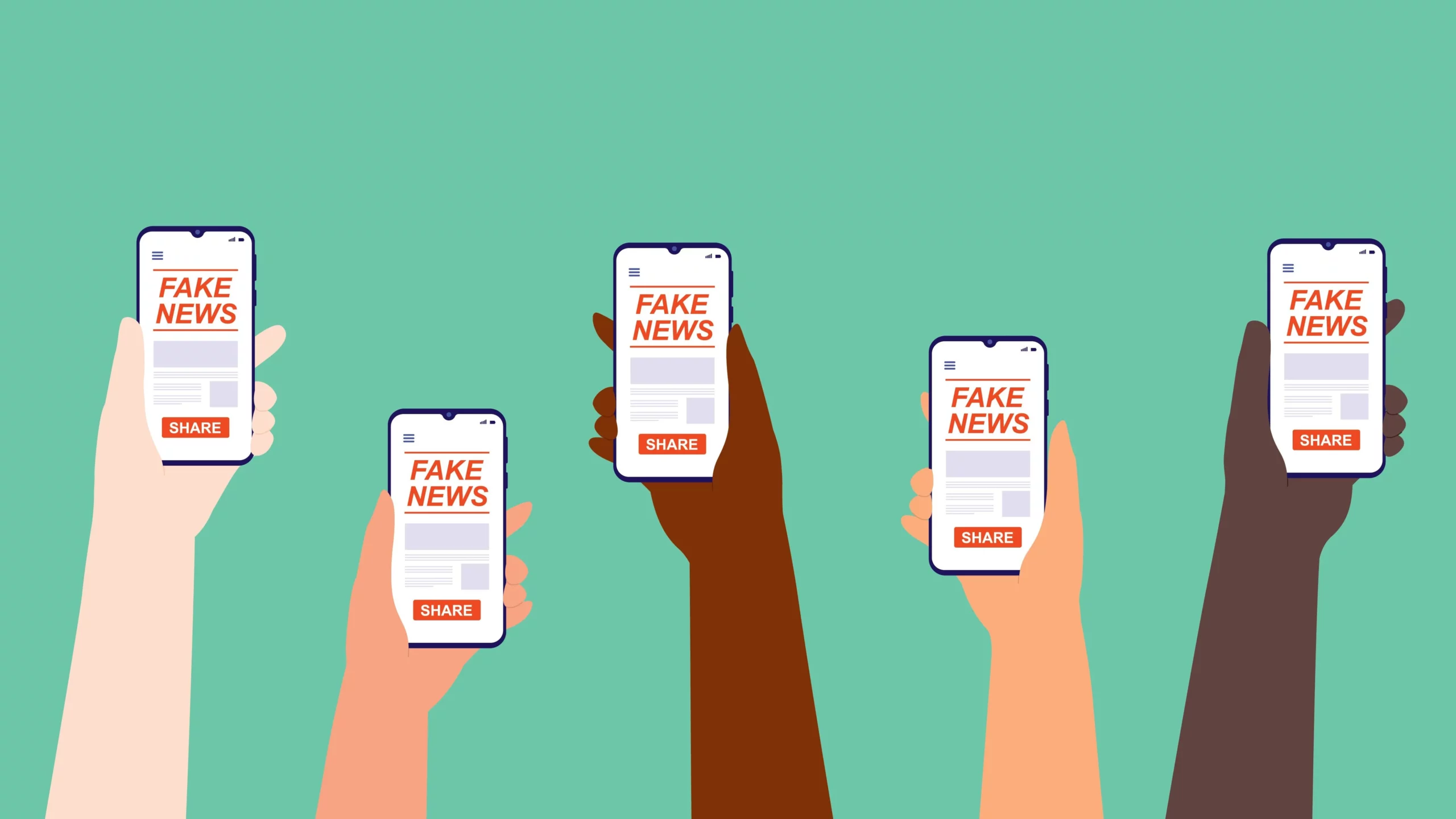
Before diving into media literacy activities for students, it is wise to see what are the effects of fake news to students. These effects can harm them socially and academically. For instance, a teen who reads false health tips might try dangerous diets or share wrong information with friends.
Another might spread rumors about a classmate, causing stress and broken friendships. Fake stories can breed fear or distrust, especially when they involve serious topics like safety or health.
False information can also damage critical thinking. Students might no longer feel they can trust any source, even legitimate ones. This can lead to confusion, where they end up either doubting everything or believing any story that supports their view. Neither extreme is helpful for a balanced perspective.
Teachers see these changes when students cite bogus articles in assignments. They notice frustration when young people cannot tell what is true.
Over time, the cost is more than just bad grades. It can harm self-confidence, limit real learning, and even strain peer relationships. With so much on the line, guiding youth toward solid facts becomes a top priority. They deserve honest facts now.
Building Critical Thinking Skills for Students
One key to building critical thinking skills for students lies in practice. Rather than blindly trusting the first bit of information online, they can learn to compare multiple sources. For example, if they read a headline about new school rules, they should look for an official notice on the school’s website. If that notice does not exist, the story could be false.
Students also need a curious mindset. That means asking honest questions whenever a piece of news seems questionable.
Sometimes, it helps to find direct quotes or real-life evidence. By digging deeper, they uncover the truth rather than just guessing. This approach makes them stronger thinkers who stand out in class discussions and projects.
Teachers fuel these skills by challenging students to prove their points with credible data. Group projects can sharpen peer interaction.
Class members can debate stories they find online, testing each idea with facts. Over time, this playful approach molds smarter media users. They gain confidence in their own research and ability to spot holes in arguments.
Critical thinking extends beyond school walls. It stays with students into adulthood. They become cautious readers who verify claims.
Media Literacy Activities for Students
Hands-on tasks can bring media lessons to life. By doing media literacy activities for students, classrooms move beyond lectures and into real exploration.
One classic activity is fact-checking headlines from various websites. Students pair up to test the same story on different news channels. Then, they note how each channel highlights or hides details.
Another fun project involves analyzing commercials with catchy slogans. Students evaluate the claims, looking for exaggerations or missing facts.
This sparks creative thinking and helps them see how marketing can influence viewpoints. Role-playing games also work well. Learners can craft their own fake and real articles, then challenge classmates to figure out which is which.
Additionally, short video-making tasks let students create news clips. They practice filming, editing, and twisting facts to see how easy it is to shape a story. Discussing these clips afterward teaches them to pause before trusting cinematic tricks. Such creative exercises reinforce key lessons about doubt, evidence, and authenticity.
Media literacy education grows stronger when teachers use interactive methods. These activities build lasting awareness. They walk away seeing that media is not for entertainment but also a chance to learn responsibly.
The Classroom’s Role in Media Literacy Education
In a supportive classroom, teachers weave media literacy education into daily lessons. They might show news clips that spark questions or encourage students to look for deeper meaning in textbook images. By merging these tasks with normal subjects, teachers remind students that truthful information is key in all areas of life.
A simple step is to set up a “fact-check corner.” Each week, the class selects a headline and finds out if it is true. This shared effort builds teamwork while reinforcing good habits. Students start to expect proof and think before they accept a claim. It also breaks the habit of scrolling through social media without a second thought.
Some educators invite local reporters or librarians to speak about reliable sources. Hearing real experts talk about gathering facts motivates students to apply the same standards. This approach also teaches them that learning does not stop after class. They see the power of research in real jobs and creative fields.
By embedding media education in routine tasks, schools train kids to be active questioners. Over time, this focus shapes smarter viewers who can adapt to online information.
Conclusion
Spotting fake news examples is not just about avoiding embarrassment. It is about preparing the next generation to handle complex information. With so many channels offering headlines, critical thinking becomes vital. Media literacy education opens minds, ensuring young people do not fall for every rumor or story they see.
Parents and teachers both play roles in guiding students toward truth. They encourage healthy skepticism, asking learners to verify sources.
They model how to check dates, compare facts, and question outlandish claims. Meanwhile, students who engage in media literacy activities for students gain practical life skills, from reading unbiased news to writing well-researched papers. These habits carry over into friendships, group projects, and later workplaces.
As technology changes, the ability to weigh truth and lies will only grow in importance. Schools that invest in these programs see more informed, thoughtful classes. Students bond over real discussions instead of surface-level chat. They become partners in seeking facts, a skill that lasts a lifetime.
By standing firm against misinformation, young minds develop confidence and respect for truth. With each shared post or conversation, they show that knowledge, checked facts, and honesty still matter.
