

Digital content creation poses unique challenges. As more content is created using artificial intelligence, maintaining human engagement is essential.
AI has played a key role in shaping digital writing technology. But using AI Detection tools to check content raises questions. The future of human creativity and writing is still unknown. There are many uncertainties on this front.
Create engaging content by finding the perfect balance between AI and human creativity. It’s what will connect with our audiences.
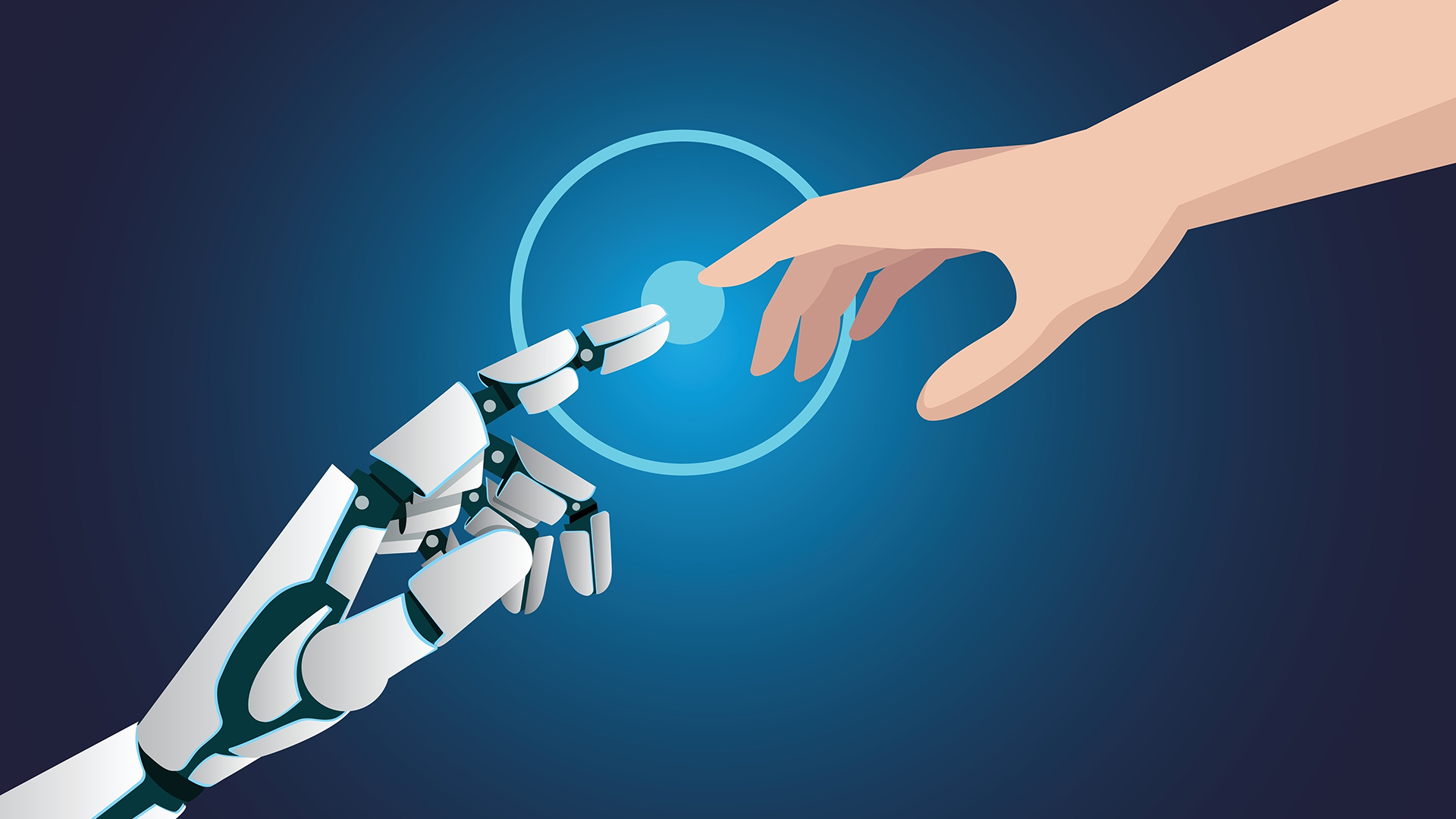
Understanding AI Detection in Modern Content Creation
AI-generated content has become more common. AI detection is therefore becoming more important. AI is a major part of content creation in the digital world.
This change has led to the creation of AI detection systems. These systems help tell apart content written by humans and that made by AI.
How AI Detection Systems Identify Machine-Generated Text?
AI detection systems employ advanced algorithms to verify the language, style, and structure of the content. They learn from huge amounts of text written by humans and AI. They can then easily distinguish between text written by humans and artificial intelligence (AI).
Content evaluation involves looking at sentence structure, word choice, and the overall context of writing samples. This way, AI detection systems can tell if the text was made by a machine.
The Impact of AI Detection on Digital Publishers and Writers
AI detection technology has big effect on digital publishers and writers. It helps keep content real by spotting AI-made text. This makes sure the work shown is genuine and original.
But it also makes things tough for writers who use AI tools in their work. They need to be open about using AI hto elp in their writing.
Preserving Human Creativity While Leveraging AI Tools
AI plays a larger role in digital writing. It is important to find ways to combine AI tools with creative human input. We need to know what AI and humans can do best.
The Irreplaceable Value of Human Voice and Perspective
Human authors bring humanity and emotion that digital content simply can’t, creating more relatable digital media for its audiences.
People can express their emotions, humor and understanding quickly and directly. This connection keeps readers returning for more.
Practical Strategies for Maintaining Authenticity
Human participation must remain central to the creative process to maintain authenticity. Although AI may help with organizing or research tasks, humans should write and edit all materials used.
One approach is to start with AI content and personalize it later with human touches – this combines AI with human interactions to make writing more engaging and improve performance.
Finding the Sweet Spot: When and How to Use AI Assistance
Digital writing is a digital art. Knowing when to use AI tools is essential. AI is perfect for tasks such as data analysis and optimizing content. Human minds can then focus on creative aspects.
Writers can enhance their work using AI intelligently without losing touch with readers’ emotions, creating content that truly engages readers. Digital publishers can then produce compelling digital publications.

Conclusion: Creating a Sustainable Future for Digital Writing
The digital writing world is rapidly changing. We must find a balance between human and computer-generated creativity as AI technology continues to grow. We must continue to value human emotions and perspectives, even as AI content production increases exponentially.
Modern writers face many challenges, and it is important to understand how artificial intelligence (AI) works. AI provides us with tools that make our writing more meaningful and real – its sustainable use is a must if digital writing is to thrive into the future.
Achieving the right balance is key to success. AI should not replace creativity but enhance it. We must work alongside AI to produce new digital writings as technology advances.
The future of digital writing will be a combination of AI and human creativeness. We can then create content that is innovative, but also true to ourselves.
